

- Home
- MIA Membership
- Services
- Skills and Workforce Training
- Business Travel Guidance
- Promoting African Strengths
- Policy Advocacy
- Networking and Collaboration
- Compliance Guidance
- Knowledge and Training
- Intellectual Property Guidance
- Industrial Relations Support
- Enterprise Partnerships
- Awareness Campaigns
- Professionalism and Competitiveness
- Export Promotion and Trade Facilitation
- Event Support for Members
- Resilience and Business Continuity
- Economic Research and Reports
- Engagement with Authorities
- Entrepreneurship and Startup Support
- MIA International Arbitration Helpdesk
- Business Matchmaking Services
- Certificate of Origin Guidance
- Customised Member Services
- Councils
- Governing Councils
- MIA Business Compliance and Regulatory Affairs Council
- MIA Digital Transformation and Innovation Council
- MIA Export and International Trade Council
- MIA Finance and Investment Council
- MIA Infrastructure and Real Estate Development Council
- MIA Intellectual Property and Innovation Council
- MIA Logistics and Supply Chain Optimization Council
- MIA Sustainability and Climate Action Council
- MIA Transport and Connectivity Council
- MIA Urban Infrastructure and Housing Council
- MIA Workforce Development and Skilling Council
- MIA Public Utilities and Civic Services Council
- Local To Central Government Engagement Council
- Global Trade Council Partnerships
- Australia China Chamber of Trade, Commerce and Industry
- Australia India Chamber of Trade, Commerce and Industry
- Australia Qatar Chamber of Trade, Commerce and Industry
- Australia Saudi Arabia Chamber of Trade, Commerce and Industry
- Australia Turkiye Chamber of Trade, Commerce and Industry
- Australia UAE Chamber of Trade, Commerce and Industry
- Australia USA Chamber of Trade, Commerce and Industry
- Australia Singapore Chamber of Trade, Commerce, and Industry
- Maritime Councils
- MIA Port and Maritime Transport Council
- Global South and Africa Chamber of Shipping
- International Chamber of Shipping
- The World Shipping Council
- International Maritime Organization
- Strait of Hormuz Cooperation and Arbitration Council
- Strait of Malacca Cooperation and Arbitration Council
- Bab-el-Mandeb Strait Cooperation and Arbitration Council
- Suez Canal Cooperation and Arbitration Council
- Bosporus Strait Cooperation and Arbitration Council
- Strait of Gibraltar Cooperation and Arbitration Council
- Panama Canal Cooperation and Arbitration Council
- Cape of Good Hope and Mozambique Channel Cooperation and Dialogue Council
- Governing Councils
- Expert Committees
- Subject Matter Experts Committee
- Agriculture and Food Processing Expert Committee
- Artificial Intelligence & Digital Transformation Committee
- Banking, Financial Services & Insurance Committee
- Mediation, Arbitration and Conciliation Committee
- Climate Change and Disaster Resilience Committee
- Corporate Governance Committee
- Corporate Social Responsibility (CSR) Committee
- Digitalisation Committee
- Direct Tax Committee
- Diversity Equity Inclusion and Belonging DEIB Committee
- Economic Policy Research Development Committee
- Edtech and Skill Development Committee
- Energy and Infrastructure Committee
- Human Resources Management Committee
- Indirect Tax Committee
- International Trade & Commerce Committee
- Legal Affairs & Intellectual Property Rights Committee
- Media, Entertainment, and Content Creation Committee
- MSME Growth and Advocacy Forum
- Private Equity & Venture Capital Committee
- Renewable Energy and Green Technology Committee
- Shipping & Logistics Committee
- Startups & Entrepreneurship Committee
- Sustainability & ESG Committee
- Tourism, Hospitality, and Events Committee
- Women in Business & Leadership Committee
- Young MIA Forum (YMIAF)
- Healthcare and Wellness Committee
- Government Relations and Development Advocacy Committee
- MIA Policies
- MIA Semiconductor Fabless Policy 2027-2035
- MIA Data Centre Policy 2027-2035
- MIA Information Technology Policy 2027-2035
- MIA Multimodal Logistics Policy 2027-2035
- MIA BPO and Global Capability Centre (GCC) Policy 2027-2035
- New and Renewable Energy Policy 2027-2035
- Biotechnology Policy 2027-2035
- Pharmaceuticals Policy 2027-2035
- DeepTech, AI, and Data Centre Policy 2027-2035
- Electronics Policy 2027-2035
- Export Development Policy 2027-2035
- MedTech Policy 2027-2035
- Film and Media Policy 2027-2035
- FinTech Policy 2027-2035
- EdTech Policy 2027-2035
- Events and Tourism Policy 2027-2035
- Apparel and Technical Textiles Policy 2027-2035
- Aerospace and Defence Manufacturing Policy 2027-2035
- Fisheries Policy 2027-2035
- MIA Special Economic Zone (SEZ) Policy 2027-2035
- MIA Startup Policy 2027-2035
- MIA Micro, Small, and Medium Enterprises (MSME) Manufacturing Policy 2027-2035
- Advocacy
- 2027 MIA Global Summit
- What Sets MIA Global Summit Apart
- Why Attend the MIA Global Summit
- What Sets MIA Global Summit 2027 Apart
- MIA Global Summit Agenda
- Why Attend MIAGS’s Business Forum
- How MIA Global Summit Makes An Impact
- MIA Global Summit’s Gala Dinner
- Building a Legacy – MIAGS a Catalyst For Change
- MIA Global Summit Event Package
- MIA Global Summit Partners
- Resources & News
Port and Maritime Transport Council
Shaping the Future of Africa's Maritime Trade
The Port and Maritime Transport Council brings together maritime, trade and logistics expertise from members in business, government and civil society across Africa’s coastal and landlocked countries alike. Its purpose is to advise the movement on ports, coastal shipping and maritime infrastructure, so that African goods can move to market efficiently and be processed at home first. Nominations to the Council are invited.
The Council’s vision is a strong African maritime ecosystem built on port-led development, sustainable maritime practice and a growing blue economy, creating jobs and competitiveness across the continent.
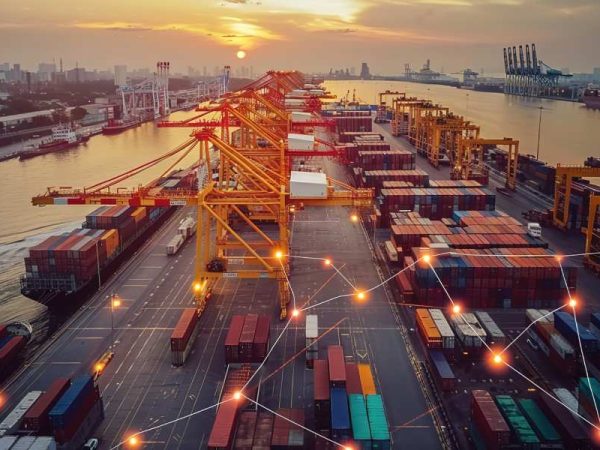

Vision of the Port and Maritime Transport Council
The Council envisions African ports that are modern, well connected and fairly financed. By using public-private partnerships and long-term investment on fair terms, it aims to drive innovation, sustainability and operational excellence in the sector. This framework is a set of proposals for African governments, regional bodies and partner countries for 2027 to 2035. It is not law or government policy.
Key Focus Areas of the Port and Maritime Transport Council
Ports and Port Connectivity
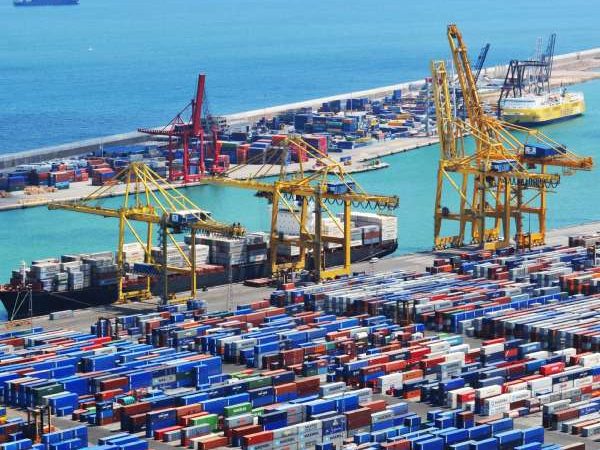
Africa’s coastline is long and strategically placed on major trade routes, yet too much cargo still leaves as raw material. The Council proposes modernising existing ports and developing new ones where trade demands it, to speed goods through, strengthen intra-African links and connect landlocked countries to the sea.
Key Initiatives for Port Development:
Identifying Strategic Port Projects: The Council will help identify sites for new port development, so port capacity is spread sensibly across regions. Priorities include:
- Bulk and Container Terminals: Modernise and expand terminals for bulk, containerised and liquid cargo, so they can serve as hubs for regional and international trade.
- Regional Secondary Ports: Develop smaller ports that link directly to industrial zones and special economic zones.
Transparent Licensing and Concessions: The Council will promote clear, predictable licensing and fair concession terms to encourage responsible private investment.
Structuring for Private Participation: The Council will promote sound public-private partnership models for port infrastructure, including jetties and cargo handling, with African interests protected in the terms.
Logistics and Evacuation Systems: Prioritise last-mile links for ports, including freight corridors and road and rail connections, so cargo moves efficiently and trade flows smoothly.
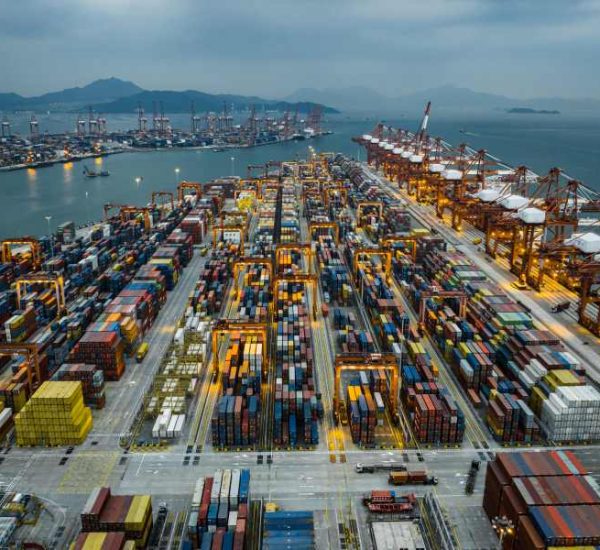
Port Connectivity Infrastructure:
- Regional Freight Corridors: Develop freight corridors linking inland industrial zones to ports and across borders, working with regional economic communities such as ECOWAS, SADC, EAC and COMESA.
- Smart Ports: Modernise ports with smart technologies such as digital traffic management, automated cargo handling and real-time tracking, improving efficiency and cutting delays.
Coastal Shipping and Inland Waterways
Coastal shipping offers a sustainable and cost-efficient alternative to road and rail. The Council will focus on coastal routes and inland waterways, easing congestion on land networks while improving overall transport efficiency across the continent.
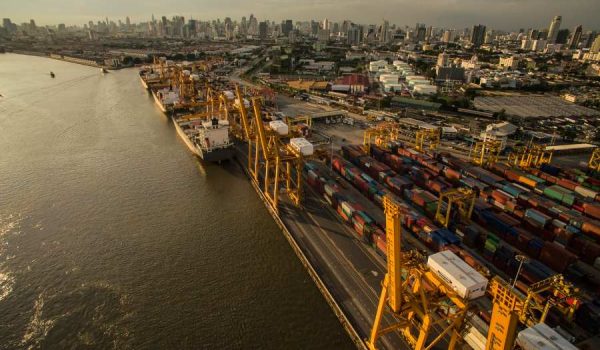
Key Coastal Shipping Initiatives:
- Hub and Spoke Model: Major regional ports act as hubs for coastal cargo, with smaller ports as spokes, so goods move efficiently between them.
- Ro-Pax Terminals: Develop terminals at key coastal locations to carry both cargo and passengers, supporting industries such as vehicles, steel and agriculture.
- Inland Waterways Development: Propose waterway links on rivers and lakes where viable, creating an alternative route for heavy cargo and improving overall logistics efficiency.
Key Benefits:
- Cost-effective cargo movement: Coastal shipping offers a more affordable way to move goods, reducing reliance on road transport.
- Dedicated Ro-Pax infrastructure: Specialised facilities improve both passenger and cargo transport along the coast.
- Integration with global trade routes: Coastal shipping linked to international networks improves connectivity and trade efficiency.
Port-Led Development and a Maritime Ecosystem
The Council will promote using port infrastructure to drive port-led development, grow coastal economic zones and build a cohesive maritime ecosystem that adds value in Africa.
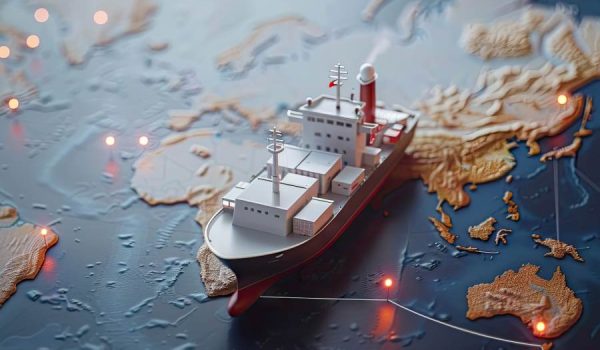
Port-Led Development Initiatives:
- Coastal Economic Zones: Establish zones near ports with quality infrastructure to support shipbuilding, vehicles, petrochemicals and food processing.
- Integrated Maritime Regional Plans: Propose plans that align port development with industrial expansion, so ports act as engines of regional growth.
- Logistics and Warehousing Clusters: Create logistics hubs and warehousing parks near key ports, with cold storage, bonded warehouses and container freight stations to streamline cargo handling.
Promotion of Marine Tourism
Africa’s coastline offers real potential for marine tourism. The Council will encourage cruise tourism, marinas and marine recreation as part of a wider blue economy that creates local jobs.
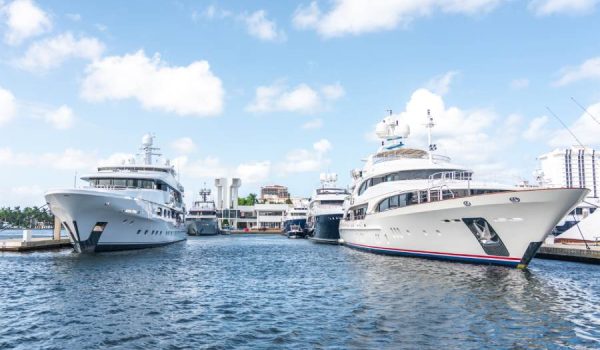
Marine Tourism Development Initiatives:
- Cruise Tourism: Develop cruise terminals at suitable coastal cities to attract international operators and bring visitor income to coastal communities.
- Marinas and Multipurpose Harbours: Establish marinas and harbours for recreational boating, water sports and yachting, with quality facilities for domestic and international visitors.
- Water Sports and Air Links: Promote activities such as diving and snorkelling at suitable beaches, and explore seaplane services to connect coastal destinations.
Ship Repair and Responsible Recycling Industry
The Council will encourage ship repair and recycling industries along Africa’s coasts, attracting investment in safe, certified facilities that strengthen maritime infrastructure and sustainability.
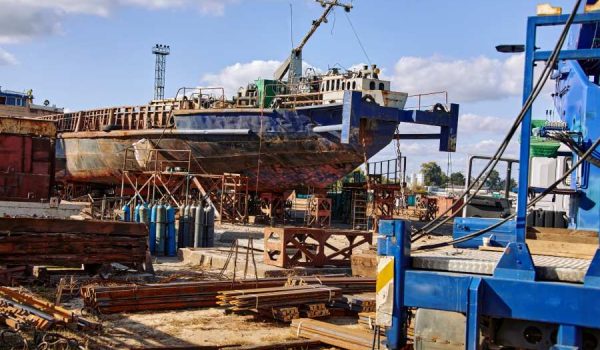
Ship Repair and Recycling Initiatives:
- Ship Repair Yards: Establish modern repair yards at suitable ports, offering repair and maintenance to regional and international fleets.
- Ship Recycling Clusters: Develop specialised clusters that meet international safety and environmental standards, creating jobs for coastal communities.
- Private Sector Investment: Encourage responsible private involvement through clear concession terms and fair, transparent incentives for developers.
Key Benefits:
- Sustainable Recycling Industry: A clean, safe industry that contributes to sustainable economic growth.
- Jobs for Coastal Communities: Employment through ship repair and recycling facilities.
- Regional Capability: Africa builds the skills and yards to serve its own fleets, drawing in investment and technology.
Sustainable Maritime Development
The Council is committed to sustainable growth in the maritime sector, ensuring that port development follows environmentally responsible practice.
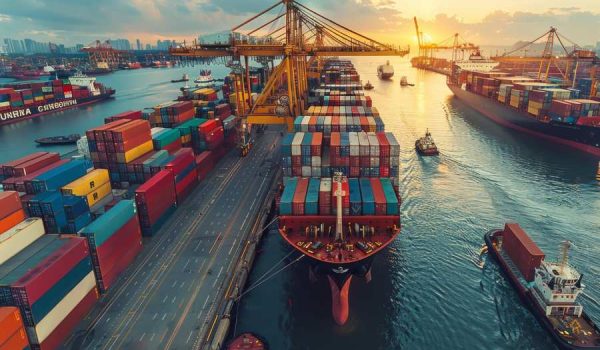
Sustainable Port Development Initiatives:
- Green Port Technologies: Introduce solar and wind energy solutions and energy-efficient cargo handling across ports.
- Environmental Compliance: Ensure new port developments meet coastal environmental regulations and favour sustainable construction materials.
- Marine Ecosystem Protection: Launch initiatives to protect marine biodiversity and preserve coastal ecosystems for the long term.
Key Benefits:
- Sustainable Maritime Growth: Promotes long-term environmental protection of marine and coastal ecosystems.
- Green Technology Integration: Reduces the carbon footprint of port operations through cleaner technologies.
- Ecosystem Preservation: Safeguards marine biodiversity and coasts through responsible port management.

Proposed Incentives for Port and Maritime Investment
The Council proposes that African governments and regional bodies adopt a clear, fair incentive framework for investors, developers and operators in port infrastructure, shipbuilding, logistics, marine tourism, ship recycling and sustainable maritime technology. These are proposals for 2027 to 2035, not laws, and each government would set its own terms.
The aim is to attract domestic and international investment, promote sound public-private partnerships, and drive innovation and sustainability, while keeping more of the value in Africa.
Capital Investment Support
To stimulate investment in port infrastructure, shipyards and maritime facilities, the Council proposes capital support and blended finance. These measures reduce the upfront burden on developers and make maritime investment more accessible.
| Measure | Details |
| Port Development Support | Co-financing and guarantees from African and partner development banks for new ports, port expansion and container terminals, priced fairly for long tenors. |
| Marina and Harbour Development | Capital support for marinas, multipurpose harbours and yacht facilities that serve marine tourism. |
| Shipyard Construction | Long-term finance for shipyards, ship repair facilities and ship recycling clusters, tied to local skills and technology transfer. |
| Logistics Hub and Warehousing | Targeted support for logistics parks, cold storage facilities, bonded warehouses and container depots. |
| Marine Tourism Projects | Support for marine tourism infrastructure, including cruise terminals, water sports facilities and resorts. |
| Green Port Initiatives | Concessional finance for green port technologies, including solar power, energy-efficient cargo handling and waste management systems. |
Land Allotment and Concessions
Governments can offer land on fair terms and other measures that support maritime and port infrastructure. This gives developers access to well-located land for port operations and related industry, and supports efficient, sustainable projects.
| Measure | Details |
| Land Allotment for Port Development | Long-term leases for land needed for port development, with fair lease terms for investors in priority sectors. |
| Concessional Land for Industrial Hubs | Concessional land allotment for coastal economic zones near ports, supporting industries such as petrochemicals, manufacturing and shipbuilding. |
| Fast-Track Land Acquisition | Fast-track approvals in designated maritime zones, with fair compensation, for quick implementation and fewer delays. |
| Preferential Treatment for SEZs | Land in special economic zones for maritime industries allotted on fair terms, promoting exports and industrial growth. |
Tax Measures
Governments can use targeted tax measures to reduce operating costs for maritime investors. These include time-limited tax relief, indirect tax relief and customs duty exemptions that support infrastructure development, designed to tackle abuses such as transfer pricing.
| Measure | Details |
| Indirect Tax Relief | Time-limited relief from indirect taxes on goods and services for port development, logistics and maritime operations, for a defined period. |
| Time-Limited Income Tax Relief | A defined tax holiday for companies in port operations, ship recycling, marine tourism and logistics infrastructure, with strong safeguards. |
| Stamp Duty and Registration Relief | Relief from stamp duty and registration fees for port developers, logistics parks and marine tourism projects during the initial development phase. |
| Electricity Duty Relief | Relief on electricity duty for port developers and operators in their early years of operation to reduce energy costs. |
| Customs Duty Exemptions | Customs duty exemptions on capital goods, machinery and equipment needed for port development, shipbuilding and maritime infrastructure. |
Finance and Financial Support
To finance large maritime projects, the Council proposes interest support and wider financial backing for companies in port infrastructure, shipbuilding and logistics, with fairly priced long-term finance and guarantees from partners.
| Measure | Details |
| Interest Support on Loans | Interest support on loans for port infrastructure projects, including cargo terminals, container depots and logistics hubs, over a long tenor. |
| Loans for Marine Tourism | Interest support on loans for marine tourism facilities, including marinas, cruise terminals and water sports infrastructure. |
| Access to Venture Capital | Access to development-backed venture capital funds for firms investing in innovative maritime technology, such as green shipping, automation and smart port solutions. |
| Export Credit and Financing Support | Export credit facilities for businesses exporting through African ports, ensuring competitive financing for maritime trade. |
| Performance-Based Financial Support | Additional support based on the performance of ports in cargo handled, jobs created and adherence to green standards. |
Environmental and Sustainable Development Measures
To encourage sustainable port development and limit the environmental impact of maritime activity, the Council proposes support for green projects focused on energy efficiency, waste management and lower carbon footprints.
| Measure | Details |
| Green Port Support | Capital support for projects that invest in solar energy, wind energy and energy-efficient port infrastructure. |
| Grants for Waste Management Systems | Grants for ports and shipyards that adopt waste management, recycling systems and ballast water treatment technologies. |
| Carbon Credits | Ports and maritime operators can earn carbon credits for adopting low-carbon technologies, which can be traded or used for tax reductions. |
| Green Building Standards | Support and tax relief for developers building to recognised green building standards and eco-friendly facilities within port zones and logistics parks. |
| Marine Environment Protection Funds | Financial support for ports that invest in marine biodiversity protection, coastal restoration and sustainable fishing practices in coastal regions. |
Measures for Coastal Shipping and Inland Waterways
To promote coastal shipping and inland waterways, the Council proposes targeted measures that lower infrastructure and operating costs in these sectors.
| Measure | Details |
| Support for Coastal Shipping Terminals | Capital support for coastal shipping terminals, Ro-Pax facilities and logistics hubs that support coastal trade and transport. |
| Tax Benefits for Coastal Operators | Time-limited tax relief for coastal shipping operators, promoting the use of coastal shipping routes over road transport. |
| Inland Waterways Development Grants | Grants and support for building and running inland waterway terminals, encouraging waterways for freight and easing road congestion. |
| Customs Duty Exemptions | Customs duty exemptions on vessels, barges and infrastructure needed for coastal and inland waterway shipping. |
Measures for Marine Tourism Development
Africa’s coastline offers real opportunities for marine tourism, and governments can offer sensible measures to investors in cruise tourism, marinas and water sports infrastructure.
| Measure | Details |
| Support for Cruise Terminal Development | Capital support for cruise terminals, encouraging cruises, ferry services and international passenger routes. |
| Marina Development Support | Support for marina infrastructure, including yacht facilities, docking stations and waterfront hospitality services. |
| Water Sports and Adventure Tourism Grants | Grants and incentives for firms developing water sports, including diving, snorkelling, sailing and deep-sea fishing along the coast. |
| Seaplane Connectivity Support | Financial support for seaplane infrastructure, encouraging connectivity between cities and key coastal tourism destinations such as island and beach resorts. |
Special Measures for Technology and Innovation in Maritime
Make in Africa wants African maritime to lead in innovation, and proposes measures for companies advancing port automation, smart logistics and shipbuilding.
| Measure | Details |
| Smart Port Technology Grants | Grants for deploying smart port technologies, such as AI-driven cargo handling, real-time monitoring systems and digital logistics solutions. |
| Automation and Robotics Support | Support for installing robotics and automated systems in container handling, ship repair and cargo management to improve efficiency. |
| Innovation and R&D Support | Grants for R&D in maritime technology, including smart ports, digital navigation and green shipbuilding technologies. |
| Digital Infrastructure Development | Tax benefits for building digital infrastructure, such as port management systems, real-time data analytics and digital shipping platforms. |
Measures for Employment and Skills Development
To grow local employment and skills in the maritime sector, the Council proposes measures for companies that create jobs and invest in workforce training, with skills and research investment from partners.
| Measure | Details |
| Employment Generation Grants | Grants and support for companies that create many jobs in port development, shipbuilding, logistics and marine tourism. |
| Skills Development Support | Cost sharing for companies investing in maritime skills programmes, including training for port operators, logistics managers and shipyard workers. |
| On-the-Job Training Support | Financial support for companies offering on-the-job training and internships for local workers in the maritime sector. |
Export Promotion and Trade Facilitation
The Council proposes measures to boost exports and simplify trade through African ports, so exporters benefit from good infrastructure and sound trade finance, and processed goods are not penalised by tariff escalation abroad.
| Measure | Details |
| Export Infrastructure Grants | Grants for export-related infrastructure, including cold storage, bonded warehouses and container freight stations near major ports. |
| Export Credit and Trade Finance Support | Trade credit facilities and fairly priced export financing for companies using African ports to export goods. |
| Export Duty Relief | Duty relief on goods exported through African ports, supporting the continent’s role as an exporter of finished goods. |
| Trade Facilitation Services | Access to trade facilitation services from the relevant authorities, with Make in Africa providing introductions and guidance for businesses. |
Conclusion
Building Africa's Maritime Future
The Port and Maritime Transport Council is dedicated to helping Africa build a strong maritime sector. Through better ports, coastal shipping and a commitment to sustainable practice, the Council sets out a path for Africa’s maritime growth. By encouraging responsible private participation, creating coastal economic zones and growing the blue economy, it aims to keep more value on the continent.
Focused on sustainability, technology-driven port operations and better connectivity, Africa can become a stronger partner in international trade and logistics. We ask partner countries to give back and help build, and we will keep score and publish who delivers.
Stay Updated with Us
Global Trade Council Partnerships
- Australia China Chamber of Trade, Commerce and Industry
- Australia India Chamber of Trade, Commerce and Industry
- Australia India Seafood Industry Council (AISIC)
- Australia India Free Trade and Seafood Industry Advisory Group (AIFTSIAG)
- Australia Qatar Chamber of Trade, Commerce and Industry
- Australia Saudi Arabia Chamber of Trade, Commerce and Industry
- Australia Turkiye Chamber of Trade, Commerce and Industry
- Australia UAE Chamber of Trade, Commerce and Industry
- Australia USA Chamber of Trade, Commerce and Industry
- Australia Singapore Chamber of Trade, Commerce, and Industry
Economic Forum 2026
Membership
Policies
- Semiconductor Fabless Policy 2027-2035
- Data Centre Policy 2027-2035
- Information Technology Policy 2027-2035
- Multimodal Logistics Policy 2027-2035
- BPO and Global Capability Centre (GCC) Policy 2027-2035
- New and Renewable Energy Policy 2027-2035
- Biotechnology Policy 2027-2035
- Pharmaceuticals Policy 2027-2035
- DeepTech, AI, and Data Centre Policy 2027-2035
- Electronics Policy 2027-2035
- Export Development Policy 2027-2035
- MedTech Policy 2027-2035
- Film and Media Policy 2027-2035
- FinTech Policy 2027-2035
- EdTech Policy 2027-2035
- Events and Tourism Policy 2027-2035
- Apparel and Technical Textiles Policy 2027-2035
- Aerospace and Defence Manufacturing Policy 2027-2035
- Fisheries Policy 2027-2035
- Special Economic Zone (SEZ) Policy 2027-2035
- MIAGS Startup Policy 2027-2035
- MIAGS Micro, Small, and Medium Enterprises (MSME) Manufacturing Policy 2027-2035
Advocacy
Resources & News
Contact Us
Governing Councils
- Business Compliance and Regulatory Affairs Council
- Digital Transformation and Innovation Council
- Export and International Trade Council
- Finance and Investment Council
- Infrastructure and Real Estate Development Council
- Intellectual Property and Innovation Council
- Logistics and Supply Chain Optimization Council
- Sustainability and Climate Action Council
- Transport and Connectivity Council
- Urban Infrastructure and Housing Council
- Workforce Development and Skilling Council
- Public Utilities and Civic Services Council
- Governance and Transparency Council
- Agriculture and Food Processing Expert Committee
- Banking, Financial Services & Insurance Committee
- Mediation, Arbitration and Conciliation Committee
- Climate Change and Disaster Resilience Committee
- Corporate Governance Committee
- Corporate Social Responsibility (CSR) Committee
- Digitalisation Committee
- Direct Tax Committee
- Diversity, Equity, Inclusion and Belonging Committee
- Economic Policy, Research & Development Committee
- EdTech and Skill Development Committee
- Energy and Infrastructure Committee
- Human Resources Management Committee
- Indirect Tax Committee
- International Trade & Commerce Committee
- Legal Affairs & Intellectual Property Rights Committee
- Media, Entertainment, and Content Creation Committee
- MSME Growth and Advocacy Forum
- Private Equity & Venture Capital Committee
- Renewable Energy and Green Technology Committee
- Shipping & Logistics Committee
- Startups & Entrepreneurship Committee
- Sustainability & ESG Committee
- Tourism, Hospitality, and Events Committee
- Women in Business & Leadership Committee
- Young Leaders Forum
- Healthcare and Wellness Committee
- Government Relations and Development Advocacy Committee
About
The Make In Africa Global Summit (MIAGS) is a global platform connecting leaders, businesses, investors, institutions and policymakers shaping the next era of economic growth across the Global South and Africa.
MIAGS advances South–South cooperation, trade, investment, industrialization, technology, infrastructure and economic resilience, creating platforms for dialogue, strategic partnerships and cross-border opportunities.
Our mission is to strengthen the Global South and Africa’s role in the global economy by connecting capital with opportunity, innovation with markets and economic priorities with action—while fostering a more connected, productive and influential economic future.