- Home
- MIA Membership
- Services
- Skills and Workforce Training
- Business Travel Guidance
- Promoting African Strengths
- Policy Advocacy
- Networking and Collaboration
- Compliance Guidance
- Knowledge and Training
- Intellectual Property Guidance
- Industrial Relations Support
- Enterprise Partnerships
- Awareness Campaigns
- Professionalism and Competitiveness
- Export Promotion and Trade Facilitation
- Event Support for Members
- Resilience and Business Continuity
- Economic Research and Reports
- Engagement with Authorities
- Entrepreneurship and Startup Support
- MIA International Arbitration Helpdesk
- Business Matchmaking Services
- Certificate of Origin Guidance
- Customised Member Services
- Councils
- Governing Councils
- MIA Business Compliance and Regulatory Affairs Council
- MIA Digital Transformation and Innovation Council
- MIA Export and International Trade Council
- MIA Finance and Investment Council
- MIA Infrastructure and Real Estate Development Council
- MIA Intellectual Property and Innovation Council
- MIA Logistics and Supply Chain Optimization Council
- MIA Sustainability and Climate Action Council
- MIA Transport and Connectivity Council
- MIA Urban Infrastructure and Housing Council
- MIA Workforce Development and Skilling Council
- MIA Public Utilities and Civic Services Council
- Local To Central Government Engagement Council
- Global Trade Council Partnerships
- Australia China Chamber of Trade, Commerce and Industry
- Australia India Chamber of Trade, Commerce and Industry
- Australia Qatar Chamber of Trade, Commerce and Industry
- Australia Saudi Arabia Chamber of Trade, Commerce and Industry
- Australia Turkiye Chamber of Trade, Commerce and Industry
- Australia UAE Chamber of Trade, Commerce and Industry
- Australia USA Chamber of Trade, Commerce and Industry
- Australia Singapore Chamber of Trade, Commerce, and Industry
- Maritime Councils
- MIA Port and Maritime Transport Council
- Global South and Africa Chamber of Shipping
- International Chamber of Shipping
- The World Shipping Council
- International Maritime Organization
- Strait of Hormuz Cooperation and Arbitration Council
- Strait of Malacca Cooperation and Arbitration Council
- Bab-el-Mandeb Strait Cooperation and Arbitration Council
- Suez Canal Cooperation and Arbitration Council
- Bosporus Strait Cooperation and Arbitration Council
- Strait of Gibraltar Cooperation and Arbitration Council
- Panama Canal Cooperation and Arbitration Council
- Cape of Good Hope and Mozambique Channel Cooperation and Dialogue Council
- Governing Councils
- Expert Committees
- Subject Matter Experts Committee
- Agriculture and Food Processing Expert Committee
- Artificial Intelligence & Digital Transformation Committee
- Banking, Financial Services & Insurance Committee
- Mediation, Arbitration and Conciliation Committee
- Climate Change and Disaster Resilience Committee
- Corporate Governance Committee
- Corporate Social Responsibility (CSR) Committee
- Digitalisation Committee
- Direct Tax Committee
- Diversity Equity Inclusion and Belonging DEIB Committee
- Economic Policy Research Development Committee
- Edtech and Skill Development Committee
- Energy and Infrastructure Committee
- Human Resources Management Committee
- Indirect Tax Committee
- International Trade & Commerce Committee
- Legal Affairs & Intellectual Property Rights Committee
- Media, Entertainment, and Content Creation Committee
- MSME Growth and Advocacy Forum
- Private Equity & Venture Capital Committee
- Renewable Energy and Green Technology Committee
- Shipping & Logistics Committee
- Startups & Entrepreneurship Committee
- Sustainability & ESG Committee
- Tourism, Hospitality, and Events Committee
- Women in Business & Leadership Committee
- Young MIA Forum (YMIAF)
- Healthcare and Wellness Committee
- Government Relations and Development Advocacy Committee
- MIA Policies
- MIA Semiconductor Fabless Policy 2027-2035
- MIA Data Centre Policy 2027-2035
- MIA Information Technology Policy 2027-2035
- MIA Multimodal Logistics Policy 2027-2035
- MIA BPO and Global Capability Centre (GCC) Policy 2027-2035
- New and Renewable Energy Policy 2027-2035
- Biotechnology Policy 2027-2035
- Pharmaceuticals Policy 2027-2035
- DeepTech, AI, and Data Centre Policy 2027-2035
- Electronics Policy 2027-2035
- Export Development Policy 2027-2035
- MedTech Policy 2027-2035
- Film and Media Policy 2027-2035
- FinTech Policy 2027-2035
- EdTech Policy 2027-2035
- Events and Tourism Policy 2027-2035
- Apparel and Technical Textiles Policy 2027-2035
- Aerospace and Defence Manufacturing Policy 2027-2035
- Fisheries Policy 2027-2035
- MIA Special Economic Zone (SEZ) Policy 2027-2035
- MIA Startup Policy 2027-2035
- MIA Micro, Small, and Medium Enterprises (MSME) Manufacturing Policy 2027-2035
- Advocacy
- 2027 MIA Global Summit
- What Sets MIA Global Summit Apart
- Why Attend the MIA Global Summit
- What Sets MIA Global Summit 2027 Apart
- MIA Global Summit Agenda
- Why Attend MIAGS’s Business Forum
- How MIA Global Summit Makes An Impact
- MIA Global Summit’s Gala Dinner
- Building a Legacy – MIAGS a Catalyst For Change
- MIA Global Summit Event Package
- MIA Global Summit Partners
- Resources & News
- Home
- MIA Membership
- Services
- Skills and Workforce Training
- Business Travel Guidance
- Promoting African Strengths
- Policy Advocacy
- Networking and Collaboration
- Compliance Guidance
- Knowledge and Training
- Intellectual Property Guidance
- Industrial Relations Support
- Enterprise Partnerships
- Awareness Campaigns
- Professionalism and Competitiveness
- Export Promotion and Trade Facilitation
- Event Support for Members
- Resilience and Business Continuity
- Economic Research and Reports
- Engagement with Authorities
- Entrepreneurship and Startup Support
- MIA International Arbitration Helpdesk
- Business Matchmaking Services
- Certificate of Origin Guidance
- Customised Member Services
- Councils
- Governing Councils
- MIA Business Compliance and Regulatory Affairs Council
- MIA Digital Transformation and Innovation Council
- MIA Export and International Trade Council
- MIA Finance and Investment Council
- MIA Infrastructure and Real Estate Development Council
- MIA Intellectual Property and Innovation Council
- MIA Logistics and Supply Chain Optimization Council
- MIA Sustainability and Climate Action Council
- MIA Transport and Connectivity Council
- MIA Urban Infrastructure and Housing Council
- MIA Workforce Development and Skilling Council
- MIA Public Utilities and Civic Services Council
- Local To Central Government Engagement Council
- Global Trade Council Partnerships
- Australia China Chamber of Trade, Commerce and Industry
- Australia India Chamber of Trade, Commerce and Industry
- Australia Qatar Chamber of Trade, Commerce and Industry
- Australia Saudi Arabia Chamber of Trade, Commerce and Industry
- Australia Turkiye Chamber of Trade, Commerce and Industry
- Australia UAE Chamber of Trade, Commerce and Industry
- Australia USA Chamber of Trade, Commerce and Industry
- Australia Singapore Chamber of Trade, Commerce, and Industry
- Maritime Councils
- MIA Port and Maritime Transport Council
- Global South and Africa Chamber of Shipping
- International Chamber of Shipping
- The World Shipping Council
- International Maritime Organization
- Strait of Hormuz Cooperation and Arbitration Council
- Strait of Malacca Cooperation and Arbitration Council
- Bab-el-Mandeb Strait Cooperation and Arbitration Council
- Suez Canal Cooperation and Arbitration Council
- Bosporus Strait Cooperation and Arbitration Council
- Strait of Gibraltar Cooperation and Arbitration Council
- Panama Canal Cooperation and Arbitration Council
- Cape of Good Hope and Mozambique Channel Cooperation and Dialogue Council
- Governing Councils
- Expert Committees
- Subject Matter Experts Committee
- Agriculture and Food Processing Expert Committee
- Artificial Intelligence & Digital Transformation Committee
- Banking, Financial Services & Insurance Committee
- Mediation, Arbitration and Conciliation Committee
- Climate Change and Disaster Resilience Committee
- Corporate Governance Committee
- Corporate Social Responsibility (CSR) Committee
- Digitalisation Committee
- Direct Tax Committee
- Diversity Equity Inclusion and Belonging DEIB Committee
- Economic Policy Research Development Committee
- Edtech and Skill Development Committee
- Energy and Infrastructure Committee
- Human Resources Management Committee
- Indirect Tax Committee
- International Trade & Commerce Committee
- Legal Affairs & Intellectual Property Rights Committee
- Media, Entertainment, and Content Creation Committee
- MSME Growth and Advocacy Forum
- Private Equity & Venture Capital Committee
- Renewable Energy and Green Technology Committee
- Shipping & Logistics Committee
- Startups & Entrepreneurship Committee
- Sustainability & ESG Committee
- Tourism, Hospitality, and Events Committee
- Women in Business & Leadership Committee
- Young MIA Forum (YMIAF)
- Healthcare and Wellness Committee
- Government Relations and Development Advocacy Committee
- MIA Policies
- MIA Semiconductor Fabless Policy 2027-2035
- MIA Data Centre Policy 2027-2035
- MIA Information Technology Policy 2027-2035
- MIA Multimodal Logistics Policy 2027-2035
- MIA BPO and Global Capability Centre (GCC) Policy 2027-2035
- New and Renewable Energy Policy 2027-2035
- Biotechnology Policy 2027-2035
- Pharmaceuticals Policy 2027-2035
- DeepTech, AI, and Data Centre Policy 2027-2035
- Electronics Policy 2027-2035
- Export Development Policy 2027-2035
- MedTech Policy 2027-2035
- Film and Media Policy 2027-2035
- FinTech Policy 2027-2035
- EdTech Policy 2027-2035
- Events and Tourism Policy 2027-2035
- Apparel and Technical Textiles Policy 2027-2035
- Aerospace and Defence Manufacturing Policy 2027-2035
- Fisheries Policy 2027-2035
- MIA Special Economic Zone (SEZ) Policy 2027-2035
- MIA Startup Policy 2027-2035
- MIA Micro, Small, and Medium Enterprises (MSME) Manufacturing Policy 2027-2035
- Advocacy
- 2027 MIA Global Summit
- What Sets MIA Global Summit Apart
- Why Attend the MIA Global Summit
- What Sets MIA Global Summit 2027 Apart
- MIA Global Summit Agenda
- Why Attend MIAGS’s Business Forum
- How MIA Global Summit Makes An Impact
- MIA Global Summit’s Gala Dinner
- Building a Legacy – MIAGS a Catalyst For Change
- MIA Global Summit Event Package
- MIA Global Summit Partners
- Resources & News

For Makers and Entrepreneurs
Build what Africa uses and sells.
Join a growing community of makers, founders and producers turning African resources into finished goods. Membership connects you to working groups, buyers, investors and policymakers, so you can build partnerships, share knowledge and help set the priorities that will shape Africa's industrial future.
For Investors and Partners
Invest where value is made.
Back the factories, processors and supply chains that keep more value in Africa. At the Make in Africa Global Summit in January 2027, meet producers, financiers, governments and partners. Africa asks for patient capital, technology sharing and fair terms, and offers markets that are now joined by the AfCFTA.
For Governments and Institutions
Partner on fair terms to build Africa.
Work with a movement that brings governments, regional bodies and development institutions together with business. We ask the EU, the G7 and every major economy trading with Africa to give back through long-term finance, technology and market access for processed goods, and we will publish who delivers.

Build More of What Africa Uses and Sells. On Fair Terms.
Make in Africa Global Summit (MIAGS)
Make in Africa is a pan-African movement to build more of what Africa uses and sells, in Africa. Its flagship event, the Make in Africa Global Summit (MIAGS), meets in Sandton, Johannesburg in January 2027. It brings together makers, governments, investors and partners to turn raw materials into finished goods, jobs and technology made on the continent.
Africa has the resources, a young population and now a single continental market under the AfCFTA. Yet it still ships out too much raw material and buys in too many finished goods. We say so plainly and we invite partners to help repair the terms of trade through fair finance, technology sharing and market access.
Special economic zones
across Africa
across Africa
0
African countries with
special economic zones
special economic zones
0
Africa's share of world
manufacturing output, about
manufacturing output, about
0 %
Growth in manufacturing
value added, 2020-25
value added, 2020-25
0 %
Our Vision
We envision an Africa that makes more of what it uses and sells, and keeps more of the value, the jobs and the technology at home.
Make in Africa exists to advance a continent of processors, manufacturers and builders, linked by one continental market. We bring together makers, governments and partners to turn the AfCFTA into real regional value chains, and to build partnerships that are fair to every side and that reach beyond borders.
Our vision is for Africa to industrialise on its own terms. History matters: extraction and unequal trade rules helped build wealth elsewhere. Through dialogue, practical projects and a public scorecard, we ask the world to give back and help build.


Our Mission
Make in Africa brings together makers, governments, investors and institutions to move Africa from exporting raw materials to producing finished goods, and to secure its place in the world economy.
We strengthen intra-African trade and build partnerships with the EU, the G7 and other major economies, on fair terms. Our work turns shared priorities into financing, technology and purchasing commitments that create jobs, strengthen resilience and leave lasting value on the continent.
Driving Industry, Innovation & Fair Trade
We focus on the sectors that will define Africa’s growth, from manufacturing, minerals and energy to food, health, digital and infrastructure. We connect capital with producers, ideas with institutions, and African businesses with buyers, so more value is added at home.
Through high-level dialogue, expert committees and practical collaboration, we push for long-term finance, debt relief, technology sharing and market access for processed goods. Africa also owes itself discipline: good governance, honest standards and delivery. We will keep score and publish who delivers.
Together, we are building an Africa that does not only supply the world’s inputs. It makes, owns and sells what it produces.
Our Key Objectives
Strengthen Intra-African & Global Partnerships
Build stronger economic links between African countries, and fair partnerships with economies and institutions worldwide. Make in Africa facilitates dialogue and collaboration to expand trade, investment, knowledge and opportunity.
Accelerate Innovation & Enterprise
Promote innovation, entrepreneurship and technology as engines of African industry. We introduce makers, businesses, institutions and investors so that new ideas and products can be built and sold at scale.
Build Resilient Supply Chains
Strengthen the links that let African countries and firms handle a changing world. We promote diversified economies, regional value chains, stronger markets and cooperation across borders.
Raise Africa’s Voice in the Global Economy
Make Africa a central voice in global economic debate, investment and rule-making. We give African leaders and institutions a platform to set out priorities on credit, standards and tariffs, and to press for fairer rules.
Drive Growth, Investment & Diversification
Open new routes for investment in African production. We connect capital, enterprise and opportunity across sectors, so businesses and economies can diversify, scale and add value locally.
Advance Inclusive & Sustainable Growth
Promote progress that creates opportunity across society and builds long-term climate and social resilience. We support approaches that link sustainable development with investment, innovation, jobs and production.
Advance Digital & Technological Transformation
Explore the technologies reshaping African industry, from artificial intelligence and digital infrastructure to biotechnology and advanced manufacturing. We bring together the people and institutions building Africa’s digital future.
Strengthen Trade & Economic Cooperation
Support stronger trade and cooperation within Africa and with partners. We press for market access for processed goods, an end to tariff escalation, and fair standards that do not punish value addition.

Unlock Infrastructure & Connectivity
Advance the transport, logistics, energy and digital networks that industry needs. We bring together governments, investors, businesses and institutions to find ways to finance long-term connectivity across the continent.
Expand Opportunity & Human Capital
Put people, enterprise and talent at the centre of industrialisation. We promote opportunities for entrepreneurs, young people and professionals, and highlight the skills and research that Africa’s factories and firms will need.
Exchange Knowledge & Global Insights
Share ideas, expertise, research and experience across Africa and beyond. We connect local knowledge with global technology, so leaders can spot opportunities and build approaches that suit African economic realities.
Build Together
Turn dialogue into connections, partnerships and action. Through its community, Make in Africa works to build stronger economic relationships, open new opportunities and help create a more connected, resilient and self-reliant Africa.


Infrastructure-Led Industrial Growth
Across Africa, infrastructure is more than a foundation for development. It is how raw materials become finished goods. Investment in transport, energy, digital systems, industrial capacity and regional links can unlock markets, lower the cost of trade and create new centres of growth.
Make in Africa brings together governments, investors, businesses and institutions to advance the projects that connect economies and strengthen resilience. We ask partner countries for fairly priced long-term finance and guarantees to help build them.
Cross-Border Trade & Economic Corridors
Connecting Economies. Opening Markets.
From West to East and North to South Africa, corridors can link producers, ports, cities and markets across borders. Make in Africa promotes investment in joined-up transport and trade corridors that cut logistics costs, build regional value chains and help African firms reach the continental market under the AfCFTA.
Ports, Maritime & Coastal Infrastructure
Connecting Africa to Global Trade.
For many African economies, competitive ports are gateways to world markets. Modern ports, more shipping capacity, inland connections and digital trade processes can speed the movement of goods and help Africa export processed products, not only raw materials, within global supply chains.
Regional Rail, Road & Logistics Networks
Building the Infrastructure of Intra-African Trade.
Stronger regional transport can transform trade between neighbouring African economies and open markets that are cut off today. Investment in rail, roads, freight, border posts and logistics hubs can create efficient regional value chains and cut the cost and time of moving people and goods.
Energy & Power Infrastructure
Powering the Next Generation of Industry.
Reliable, affordable and increasingly clean energy is basic to industrialisation. Make in Africa backs investment in generation, transmission, renewables, storage and cross-border power links that widen electricity access and power factories, digital infrastructure and new industries, with fair finance from partners.
Digital Infrastructure & Connectivity
Connecting People. Businesses. Economies.
Digital infrastructure is now as vital to economic life as roads and ports. Broadband, data centres, cloud capacity, digital payments and secure networks can link African people and businesses to markets, finance and knowledge, and keep more of the value of African data on the continent.
Industrial & Manufacturing Infrastructure
From Raw Materials to Finished Goods.
Africa holds vast resources, young talent and growing consumer markets. Investment in industrial parks, manufacturing clusters, processing plants and shared infrastructure can help economies move beyond commodity dependence, build their own capabilities and capture far more value from global supply chains.
Smart, Resilient & Growing Cities
Building Cities for Africa's Next Generation.
Fast urbanisation is reshaping African economies. Investment in mass transit, housing, water, sanitation, waste management, digital services and climate-resilient infrastructure can turn growing cities into productive centres of enterprise, manufacturing and opportunity, with local firms supplying the build.
Climate-Resilient Infrastructure
Investing in Infrastructure That Endures.
Africa carries climate risk it did little to create, and that is both an economic challenge and an investment case. Make in Africa supports infrastructure built to withstand extreme weather, water stress and heat, from transport and cities to water, farming and energy, backed by fair climate finance.
Integrated Economic & Logistics Hubs
Creating New Centres of African Commerce.
Well-placed economic and logistics hubs can join manufacturing, warehousing, finance, transport and trade in one system. Across Africa, special economic zones and hubs can attract investment, strengthen regional supply chains, create jobs and open new gateways between African producers and world markets.
Make in Africa Councils and Working Groups
Expertise for the Next Era of African Industry
Africa is entering a defining period of economic change. A single continental market is taking shape, special economic zones are spreading, technology is reshaping productivity, and a young population is creating one of the world’s largest pools of talent and demand.
Make in Africa councils and working groups bring together policymakers, business leaders, investors, economists, researchers, entrepreneurs and sector experts to address the questions shaping this change.
Each council takes on one pillar of African industrial strength, from manufacturing and technology to finance, energy, food, trade, infrastructure and skills, and says what Africa needs and what partners should do.

Meet Our Expert Committees
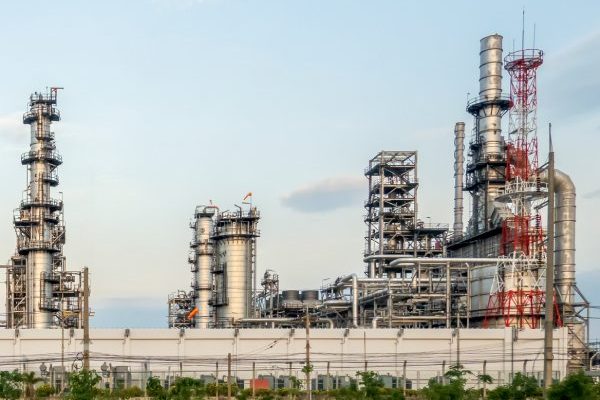
Industrialisation and Manufacturing Council
From Raw Materials to Made-in-Africa Goods
Africa has the resources, young people and a continental market, yet it still ships out raw materials and buys finished goods in. This Council works on manufacturing, industrial clusters, local value addition and technology transfer. We ask the EU, G7 and other major economies for long-term finance, shared technology and fair market access for processed goods.

Technology and Electronics Council
Building Africa's Technology and Electronics Capability
Semiconductors, electronics and advanced computing now shape economic strength. The Council looks at the steps Africa can take into these value chains: assembly, testing, design and skills. We ask technology-rich economies to share licences, research and investment, so that African engineers build the technology Africa uses.

AI and Digital Economy Council
African Data, African AI, African Value
AI and digital tools can lift productivity in farming, finance, health, education and government. The Council sets out practical routes to African data, computing capacity and AI skills, so that the value of African data is created and kept on the continent. Partners are asked to invest in infrastructure and share know-how on fair terms.

Intra-African Trade and AfCFTA Integration Council
Making the Single African Market Real
The African Continental Free Trade Area gives Africa one market, but trade between African countries is still held back by weak links, slow borders and mismatched standards. This Council works on corridors, customs cooperation, mutual recognition of standards and regional value chains, and holds Africa to its own commitments.

Global Trade, Investment and Market Access Council
Fair Terms for Africa in World Trade
Tariff escalation and unfair standards punish African processing, which keeps value offshore. The Council examines trade policy, market access, investment flows and agreements, and presses the EU, G7 and other major partners for open markets for processed goods and long-term purchase agreements tied to local production.

Capital, Banking and Development Finance Council
Fairly Priced Capital for Africa's Makers
Africa pays too much for capital because the global system prices risk unfairly. The Council brings together banks, development-finance institutions, investors and businesses to unlock long-term finance, guarantees and debt swaps that free money for productive investment in industry, infrastructure and enterprise.

Infrastructure, Connectivity and Economic Corridors Council
Building the Networks That Make Trade Possible
Ports, railways, roads, power and logistics decide how cheaply African goods reach African and world markets. The Council focuses on infrastructure and economic corridors that lower the cost of trade, link factories and farms to buyers, and deepen regional integration. Partners are asked to back them with patient capital.

Energy Security and Energy Transition Council
Powering African Industry
Reliable, affordable power is the base of any factory. The Council examines electricity access, renewables, grids, storage and cross-border energy systems, balancing the need for dependable power now with a fair transition. It asks partners to finance Africa’s energy build-out rather than only its raw fuel and mineral exports.

Food Systems, Agriculture and Agro-processing Council
Feeding Africa and Adding Value at Home
Farming is central to jobs and food security across Africa, yet too much produce leaves the continent unprocessed. The Council focuses on productivity, irrigation, cold chains, logistics and agro-processing, and on fair market access for processed African food, so that more of the value of what Africa grows stays here.
Critical Minerals and Beneficiation Council
Processing Africa's Minerals in Africa
Africa holds many of the minerals the world’s energy and technology transitions need, but most are exported raw and processed elsewhere. The Council works on beneficiation, local processing, responsible mining and fair partnerships, and calls on buyers to support refining in Africa through long-term purchase agreements.

Healthcare, Pharmaceuticals and Life Sciences Council
Making Africa's Medicines in Africa
Africa imports most of its medicines and medical products. The Council focuses on regional pharmaceutical manufacturing, diagnostics, medical technology and health infrastructure, working with Africa CDC and others. We ask partners to share technology and licences and to commit to long-term purchasing from African producers.
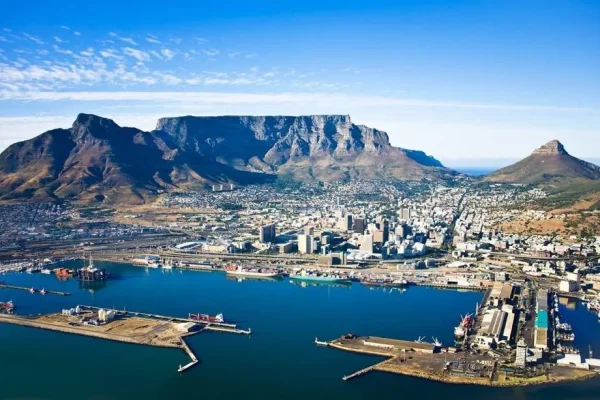
Cities, Urbanisation and Infrastructure Council
Building Cities That Create Jobs
Africa’s cities are growing fast, and they can become engines of enterprise and employment. The Council examines transport, housing, water, sanitation, waste, digital services and resilient infrastructure. It encourages local manufacturing and construction industries, backed by patient finance from partners.
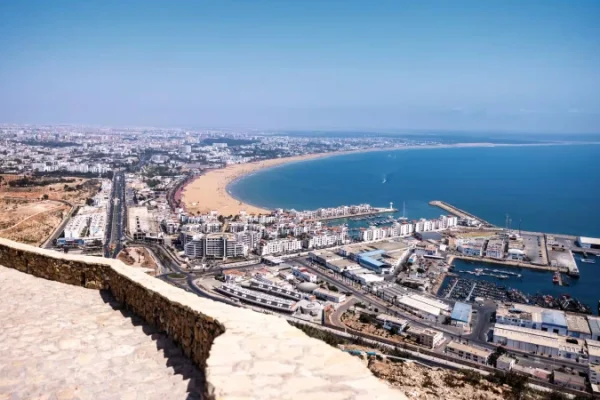
Climate Resilience and Fair Climate Finance Council
Protecting Growth and Demanding Fair Climate Finance
Africa has contributed little to climate change yet bears heavy costs. The Council treats resilience as an economic priority: adaptation, resilient infrastructure, disaster preparedness and technology. It presses wealthy economies to deliver the climate finance they have promised, on fair and accessible terms.

Human Capital, Skills and Future of Work Council
Turning Africa's Young People Into Africa's Strength
Africa has a very young population, and its future depends on skills. The Council focuses on technical education, apprenticeships, entrepreneurship, leadership and talent mobility across the continent. Partners are invited to invest in training and research, and to build skills in Africa rather than draw them away.

Entrepreneurship, MSMEs and Enterprise Growth Council
Growing the Businesses That Power African Economies
Millions of African small and medium businesses carry employment, innovation and local value creation. The Council focuses on finance, technology, markets, formalisation and productivity, helping enterprises grow from local success to regional scale and supply the larger buyers that processing and manufacturing create.

Innovation, Startups and Venture Economy Council
Backing African Founders to Scale
African founders are solving real problems, but too little patient capital reaches them. The Council connects entrepreneurs, investors, corporations, researchers and policymakers around startup ecosystems, venture capital, commercialisation and technology transfer, so that African companies can grow into regional and global businesses.

Digital Finance and Financial Inclusion Council
Opening Finance to More Africans
Mobile money, digital payments and fintech are changing how Africans save, pay and borrow. The Council examines digital financial systems that widen participation, cut the cost of cross-border payments within Africa and give small producers access to credit, so they can join manufacturing and trade.
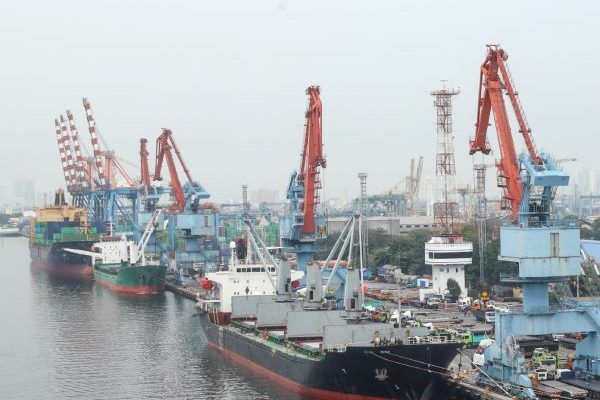
African Supply Chains and Logistics Council
Building Resilient African Supply Chains
Shifting global supply chains create openings for Africa, but only if goods can move quickly and cheaply. The Council focuses on logistics, ports, shipping, warehousing, customs and regional manufacturing networks, so that Africa becomes a place where goods are made, not only a route through which they pass.

Economic Policy, Research and Foresight Council
Evidence for African Industrial Choices
Good policy needs good evidence. The Council brings together economists, researchers and policymakers to study the forces facing African economies: industrial policy, trade, investment, demographics, technology and public finance. Its papers inform governments, regional bodies and partners, and track who delivers.

Global Economic Governance and Africa's Voice Council
Giving Africa a Stronger Voice in the Global Rules
Many of the rules on finance, trade and credit were set without Africa at the table, and they still price risk and standards against African producers. The Council examines reform of international institutions and rules, and builds the case for fair representation and fair terms.

Corporate Governance, Institutions and Business Trust Council
Strengthening the Foundations of Investment
Africa owes itself discipline. Strong institutions, predictable regulation and honest corporate governance are essential to long-term investment. The Council examines transparency, accountability, regulatory quality and business integrity, including action against illicit financial outflows, and helps make the case for trust in African markets.

Women, Youth and Inclusive Participation Council
Widening Who Gets to Build
Africa’s transformation depends on the full participation of its people. The Council focuses on women’s economic participation, youth enterprise, leadership, access to capital and skills, treating inclusion not only as a social goal but as a source of productivity, innovation and growth in African industry.

Creative Economy, Media and Cultural Industries Council
Creating and Owning African Culture
Film, music, fashion, design, gaming, sport and digital content are growing sectors, and African creators should own and profit from their work. The Council explores intellectual property, investment, technology, talent and distribution, so that African creative industries scale on their own terms.

Commercial Law, Disputes and Investment Protection Council
Confidence for Cross-Border Business in Africa
Trade across Africa needs trusted legal and commercial frameworks. The Council examines commercial law, intellectual property, mediation, investment protection and dispute resolution. Make in Africa offers guidance and referral to qualified lawyers and recognised arbitration institutions. We do not give legal advice or arbitrate.

Indirect Tax Committee
Fair Tax Rules for African Value Chains
We advise on how indirect taxes, tariffs and border rules can reward value addition. Members draft position papers, press for transparent and predictable rules across the AfCFTA, and engage governments. We do not give tax advice.

Human Resources Management Committee
Building the African Workforce of the Future
We help African employers build skills, leadership and fair workplaces. Members share practice, back technical training and push partners to invest in the people who will staff Africa’s factories, labs and firms.

Energy and Infrastructure Committee
Powering and Connecting African Industry
Factories need reliable power, ports, roads and rail. This committee sets out what Africa needs, from regional grids to economic corridors, and what the EU, G7 and other partners should fund on fair, long-term terms.

Economic Policy Research Development Committee
Evidence for Africa's Industrial Policy
We bring researchers and industry leaders together to study how Africa can make more of what it uses and sells. We publish findings on trade rules, tariff escalation and finance, and propose fair terms to governments and partners.

Direct Tax Committee
Stopping Illicit Financial Outflows
We study how transfer pricing, profit shifting and illicit financial outflows drain Africa of resources it needs to build. Members draft proposals for transparent, fair tax cooperation between African states and their partners. We do not give tax advice.

Digitalization Committee
Building Africa's Digital Capability
We want African firms to adopt digital tools that raise productivity and open continental markets. The committee backs shared standards, local data capability, and technology and licence sharing from partner economies.

Corporate Social Responsibility CSR Committee
Building Ethical and Sustainable Businesses in Africa
We bring African and partner companies together to promote ethical leadership, local employment and honest reporting. Members agree practical standards, and Make in Africa will publish who delivers on them.

Dispute Resolution Advisory Committee
Guidance on Resolving Business Disputes
We guide businesses towards fast, affordable and amicable ways to settle disputes. Make in Africa does not arbitrate. We refer members to recognised mediation, conciliation and arbitration institutions and qualified lawyers.

Government Relations and Development Advocacy Committee
Strengthening Government and Industry Partnership
We help members engage African governments and regional bodies on infrastructure, regulation and trade. We press partner governments to ease market access for processed goods and to fund Africa’s industrial growth.

From Expertise to Economic Action
The Make in Africa councils exist not simply to discuss challenges, but to connect knowledge with leadership, capital with opportunity and policy with implementation.
Through research, high-level dialogue, cross-border networks and working groups, the councils help identify the steps that will build Africa’s productive capacity, resilience and voice in the world economy.
The objective is clear: an Africa that makes more of what it uses and sells, trades more with itself, and deals with the world on fair terms.
What We Do?
Building More of What Africa Uses and Sells
Africa has the resources, the young people and now a single continental market. Yet it still ships out raw materials and buys finished goods in. Make in Africa creates the platforms and knowledge to change that.
We bring together governments, businesses, investors, institutions, entrepreneurs and researchers to build in Africa, and we ask the EU, G7 and other major economies to give back and help build on fair terms.
Our work is focused on turning dialogue into partnerships, ideas into investment and priorities into action.


Policy, Strategy & Africa's Voice
Shaping the Economic Agenda
Make in Africa convenes policymakers, business leaders, economists and institutions to examine the rules and priorities that shape African industry.
We facilitate dialogue on trade, investment, industrialisation, technology, finance and energy, so that Africa’s voice is heard in international economic decisions and unfair rules are repaired.

Intra-African Trade & Integration
Connecting Economies Across Africa
Africa’s opportunity depends on stronger links between its own markets.
Make in Africa supports AfCFTA integration by creating platforms for governments, businesses and institutions to build regional value chains, exchange knowledge and trade more within the continent.
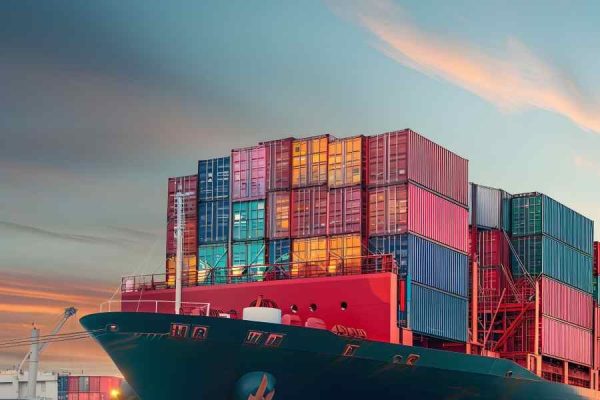
Trade, Investment & Market Access
Opening Markets for African Goods
Make in Africa connects African firms and investors with buyers and partners across the world.
Through trade dialogues, delegations and introductions, we press for market access for processed goods, an end to tariff escalation, and long-term purchase agreements tied to local processing.
Capital & Investment Partnerships
Connecting Fair Capital With Opportunity
Industrialisation needs long-term capital at fair prices.
Make in Africa introduces investors, development banks, businesses and project developers to opportunities in manufacturing, infrastructure, energy, agriculture and healthcare, and advocates guarantees and debt swaps that free money for production.

Industrialisation & Value Creation
Building Productive Economies
Africa’s next phase of growth depends on making, processing and innovating at home.
Make in Africa brings together industry leaders, policymakers, investors and technology partners to advance manufacturing, special economic zones, mineral beneficiation and stronger regional supply chains.
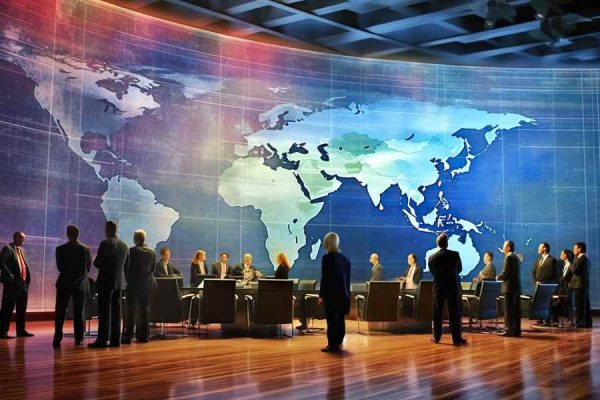
Technology, Innovation & Digital Transformation
Building Africa's Technology Capability
Technology now decides competitiveness in every sector.
Make in Africa connects technology firms, investors, researchers and entrepreneurs around AI, electronics, digital infrastructure and fintech. We ask partner economies to share technology and licences so Africa can build its own capability.
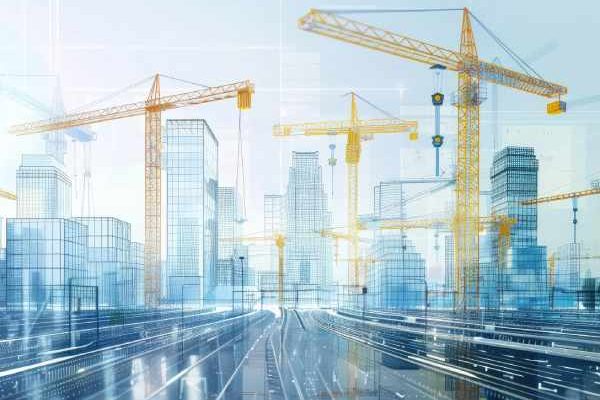
Infrastructure, Energy & Connectivity
Building the Networks That Enable Growth
Competitive industry needs reliable infrastructure, energy and connectivity.
Make in Africa brings together governments, investors and businesses around economic corridors, ports, logistics, transport, digital infrastructure, power systems and renewable energy that serve African producers.

Business & Investment Matchmaking
Turning Connections Into Partnerships
Make in Africa creates targeted opportunities for businesses, investors and institutions to connect around real commercial needs.
Through curated introductions, investment meetings and business forums, we help relationships become partnerships, deals and long-term collaboration between African firms and partners.

Knowledge, Research & Economic Intelligence
Understanding the Forces Shaping Africa's Economy
Sound decisions need insight into markets, technologies, rules and changing trade conditions.
Make in Africa develops research, expert views and economic intelligence on African industry, and tracks who delivers on their commitments, helping leaders identify risks and opportunities.

Councils & Expert Networks
Bringing Expertise to Strategic Challenges
The Make in Africa councils bring together specialists from business, government, finance, academia, technology and civil society to examine critical priorities.
They focus on industrialisation, trade, technology, energy, finance, infrastructure, food systems, healthcare, skills and Africa’s voice in global economic governance.

Leadership, Skills & Future of Work
Building the Talent Behind Growth
Africa’s young and growing workforce is one of its greatest advantages.
Make in Africa supports dialogue and collaboration on skills, entrepreneurship, leadership and the future of work, linking education, industry and policy to what tomorrow’s factories and firms will need.
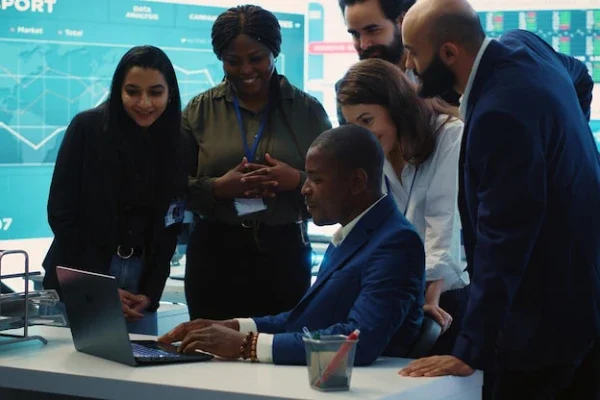
Entrepreneurship & Enterprise Growth
Scaling the African Businesses That Build
Entrepreneurs, MSMEs and emerging companies are central to jobs, innovation, local value creation and diversification.
Make in Africa connects entrepreneurs with investors, buyers, institutions, mentors and partners, helping promising enterprises scale across national, regional and international markets.

Resilience & Sustainable Economic Growth
Building Economies That Can Withstand Change
African economies face fast change in climate, energy, food, trade, finance and geopolitics.
Make in Africa promotes strategies that strengthen resilience while supporting sustainable investment, resource security, climate adaptation and fair climate finance for long-term productive growth.

Make in Africa Global Summit
Bringing Africa's Builders and Partners Together
The Make in Africa Global Summit is the platform for leaders who will build Africa’s industrial future. Its first edition is in January 2027, in Sandton, Johannesburg.
Through forums, roundtables, delegations and strategic meetings, we create space for dialogue between African governments, business, investors, institutions and partners from the EU, G7 and other major economies.

Generating Awareness Campaigns
Empowering Through Knowledge
We run focused campaigns to inform members about policy updates, market trends and new opportunities in African industry.

Disaster Resilience and Business Continuity
Planning for the Unexpected
We guide businesses in building resilience plans so they can keep operating through crises and unforeseen shocks.

Fostering Professionalism and Competitiveness
Strengthening Industry Standards
Promoting honest standards and healthy competition so African producers can grow, trade across borders and collaborate.
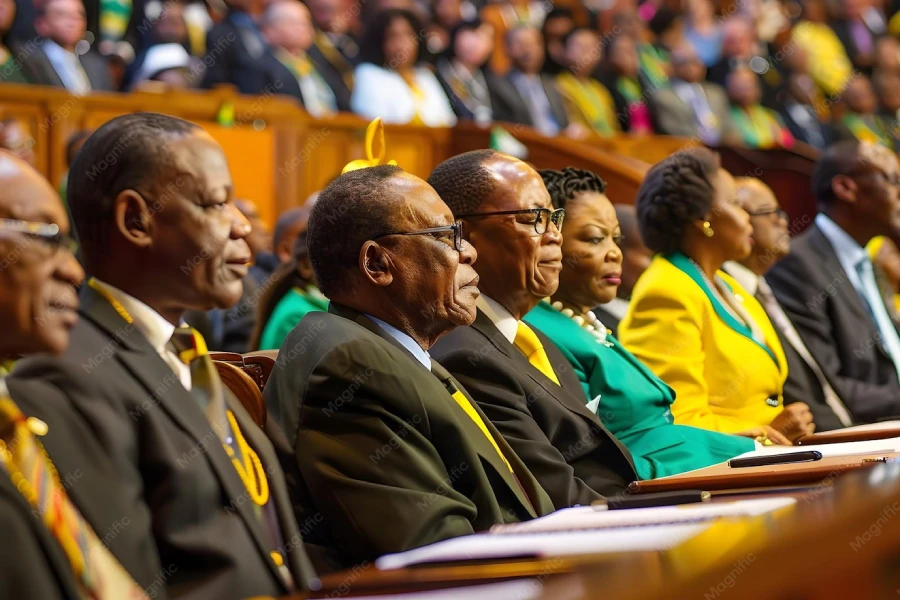
From Dialogue to Economic Action
Make in Africa is designed to do more than convene conversations.
We build an ecosystem where builders meet, ideas move, fair capital connects with opportunity, partnerships take shape and priorities become action.
By strengthening trade within Africa and asking the world’s major economies to give back and help build, Make in Africa works for a more connected, productive and self-reliant continent.
Connect. Collaborate. Invest. Build in Africa.
Make in Africa News and Reports







Make in Africa is the Movement to Build in Africa, for Africa.
MIAGS is the Bridge
Between the
Global North and the Global South.
Global Trade Council Partnerships
- Australia China Chamber of Trade, Commerce and Industry
- Australia India Chamber of Trade, Commerce and Industry
- Australia India Seafood Industry Council (AISIC)
- Australia India Free Trade and Seafood Industry Advisory Group (AIFTSIAG)
- Australia Qatar Chamber of Trade, Commerce and Industry
- Australia Saudi Arabia Chamber of Trade, Commerce and Industry
- Australia Turkiye Chamber of Trade, Commerce and Industry
- Australia UAE Chamber of Trade, Commerce and Industry
- Australia USA Chamber of Trade, Commerce and Industry
- Australia Singapore Chamber of Trade, Commerce, and Industry
Economic Forum 2026
Membership
Make In Africa Policies
- Semiconductor Fabless Policy 2027-2035
- Data Centre Policy 2027-2035
- Information Technology Policy 2027-2035
- Multimodal Logistics Policy 2027-2035
- BPO and Global Capability Centre (GCC) Policy 2027-2035
- New and Renewable Energy Policy 2027-2035
- Biotechnology Policy 2027-2035
- Pharmaceuticals Policy 2027-2035
- DeepTech, AI, and Data Centre Policy 2027-2035
- Electronics Policy 2027-2035
- Export Development Policy 2027-2035
- MedTech Policy 2027-2035
- Film and Media Policy 2027-2035
- FinTech Policy 2027-2035
- EdTech Policy 2027-2035
- Events and Tourism Policy 2027-2035
- Apparel and Technical Textiles Policy 2027-2035
- Aerospace and Defence Manufacturing Policy 2027-2035
- Fisheries Policy 2027-2035
- Special Economic Zone (SEZ) Policy 2027-2035
- MIA Startup Policy 2027-2035
- MIA Micro, Small, and Medium Enterprises (MSME) Manufacturing Policy 2027-2035
MIA Advocacy
Resources & News
Contact Us
MIA Governing Councils
- Business Compliance and Regulatory Affairs Council
- Digital Transformation and Innovation Council
- Export and International Trade Council
- Finance and Investment Council
- Infrastructure and Real Estate Development Council
- Intellectual Property and Innovation Council
- Logistics and Supply Chain Optimization Council
- Sustainability and Climate Action Council
- Transport and Connectivity Council
- Urban Infrastructure and Housing Council
- Workforce Development and Skilling Council
- Public Utilities and Civic Services Council
- Governance and Transparency Council
- Agriculture and Food Processing Expert Committee
- Banking, Financial Services & Insurance Committee
- Mediation, Arbitration and Conciliation Committee
- Climate Change and Disaster Resilience Committee
- Corporate Governance Committee
- Corporate Social Responsibility (CSR) Committee
- Digitalisation Committee
- Direct Tax Committee
- Diversity, Equity, Inclusion and Belonging Committee
- Economic Policy, Research & Development Committee
- EdTech and Skill Development Committee
- Energy and Infrastructure Committee
- Human Resources Management Committee
- Indirect Tax Committee
- International Trade & Commerce Committee
- Legal Affairs & Intellectual Property Rights Committee
- Media, Entertainment, and Content Creation Committee
- MSME Growth and Advocacy Forum
- Private Equity & Venture Capital Committee
- Renewable Energy and Green Technology Committee
- Shipping & Logistics Committee
- Startups & Entrepreneurship Committee
- Sustainability & ESG Committee
- Tourism, Hospitality, and Events Committee
- Women in Business & Leadership Committee
- Young Leaders Forum
- Healthcare and Wellness Committee
- Government Relations and Development Advocacy Committee
About
The Make In Africa Global Summit (MIAGS) is a global platform connecting leaders, businesses, investors, institutions and policymakers shaping the next era of economic growth across Africa and the Global South.
MIAGS advances Africa and the South–South cooperation, trade, investment, industrialization, technology, infrastructure and economic resilience, creating platforms for dialogue, strategic partnerships and cross-border opportunities.
Our mission is to strengthen Make in Africa for Africa and the Global South’s role in the global economy by connecting capital with opportunity, innovation with markets and economic priorities with action—while fostering a more connected, productive and influential economic future for Africa.