
Investment That Builds Capacity
Africa needs patient capital that builds factories, not only mines and ports. Qatar can put money where value is added: fertilisers, gas-based industry, food processing, logistics and aviation services. About 230 special economic zones operate in 43 African countries. The task is to connect them to finance, technology and buyers. Investors who commit to processing in Africa gain access to a growing continental market under the AfCFTA. We guide and introduce. Investors take their own legal, tax and commercial advice.

Access to a Continental Market
The AfCFTA is building a single market across African Union member states. A business that sets up in one country can supply many. For Qatar, that means one entry point to many African markets, and a base from which Qatari firms can serve them. Make in Africa helps partners read that market: where demand is growing, which standards apply and how regional bodies such as ECOWAS, SADC, EAC and COMESA shape the rules.
Shared Technology and Skills
Qatar has real strength in gas-based industry, aviation and logistics, and sovereign investment. Joint ventures with African firms can turn that strength into African production. The best collaboration shares know-how, not only finished equipment: training, licences, repair capacity and joint research with African universities. Make in Africa working groups help members define projects, draft position papers and approach partners with clear proposals. Skills built in Africa stay in Africa and grow over time.

Fair, Long-Term Finance
Africa pays too much to borrow. Risk is priced high, credit ratings are slow to reflect reality, and short loans do not suit factories that take years to build. We ask Qatar for long-term finance at fair prices, guarantees that lower the cost of capital, and debt restructuring or swaps that free public money for productive investment. Sovereign investment can back long-term projects in African fertiliser, food and logistics industries instead of short-term deals. Terms should be clear and open to scrutiny by African parliaments and citizens.
Market Access for Processed Goods
Many tariff systems charge little on raw materials and far more on processed goods. This is called tariff escalation, and it keeps processing offshore. Qatar imports much of its food. We ask it to sign long-term purchase agreements with African farmers and food processors. Standards matter as well. They should be applied honestly, with mutual recognition where possible and technical support so African producers can comply. Long-term purchase agreements tied to local processing give factories the certainty they need to borrow and hire.

Technology, Skills and Clean Flows
We ask Qatar to share technology and licences on workable terms, and to invest in skills, vocational training and research in Africa. Training should lead to jobs in African factories, not only to scholarships abroad. Illicit financial outflows drain Africa of money that should fund schools, roads and industry. Transfer pricing abuse and hidden ownership make it easier. We ask for shared information, open company ownership and cooperation to bring those outflows to an end.

Capital and Industrial Experience
Qatar brings long-term sovereign capital, experience in gas-based industry, and logistics and aviation networks that connect African producers to buyers. That experience is most useful in Africa when it is paired with local ownership, local suppliers and local jobs. We invite Qatari firms and institutions to join working groups, share what has worked, and name where they can commit.
Trade That Adds Value
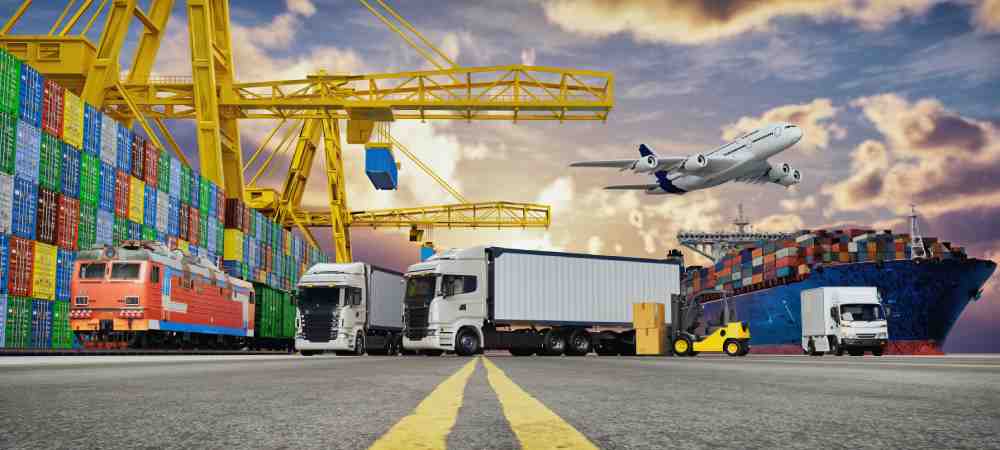
Qatari buyers can help build African industry by choosing processed goods over raw ones and by signing long-term supply agreements with African producers. Sectors with the strongest case include fertilisers, gas-based industry, food processing, logistics and aviation services. Make in Africa introduces buyers to producers and to the regional bodies that set trade rules.
People, Research and Exchange
Partnership is also between people. Engineers, researchers, students and entrepreneurs from Qatar and Africa learn faster when they work side by side. We encourage exchanges, joint laboratories, apprenticeships and business visits that lead to real projects. Exchange should run both ways, with African expertise valued as much as it is shared. The Summit in January 2027 in Sandton, Johannesburg, is a place to meet the people who will make this happen.

Honest Advice, Shared Experience
A fair partnership starts with honest advice. Qatar can share what it has learned about industrial planning, zones, logistics and quality control, including where things went wrong. African governments choose their own path. The best partners offer options and let them decide. Make in Africa policy frameworks set out proposals for African governments, regional bodies and partner countries for 2027 to 2035. They are proposals, not law.

Long-Term Commitments
Short projects rarely build industries. We look for commitments that run for years: purchase agreements, patient finance and training that outlast a political cycle. Fair terms mean shared value. Local content, local jobs, fair prices and a fair share of profit stay in the country where the work is done. Make in Africa will introduce partners to African governments, investors and companies who are ready to commit. Partners who deliver will be named.

A Voice for Fair Terms
Qatar can use its voice in international institutions to support fair rules on debt, credit ratings, tariffs and standards. Today’s system still prices risk, credit, standards and tariffs in ways that keep processing offshore. We ask every major economy that trades with Africa to help repair the terms of trade. We invite Qatar to back that change in word and in practice. We build this movement in partnership with GSEF and WSSH Australia.